Tech
ChatGPT PDF upload vs Markdown-first prep for LLM workflows
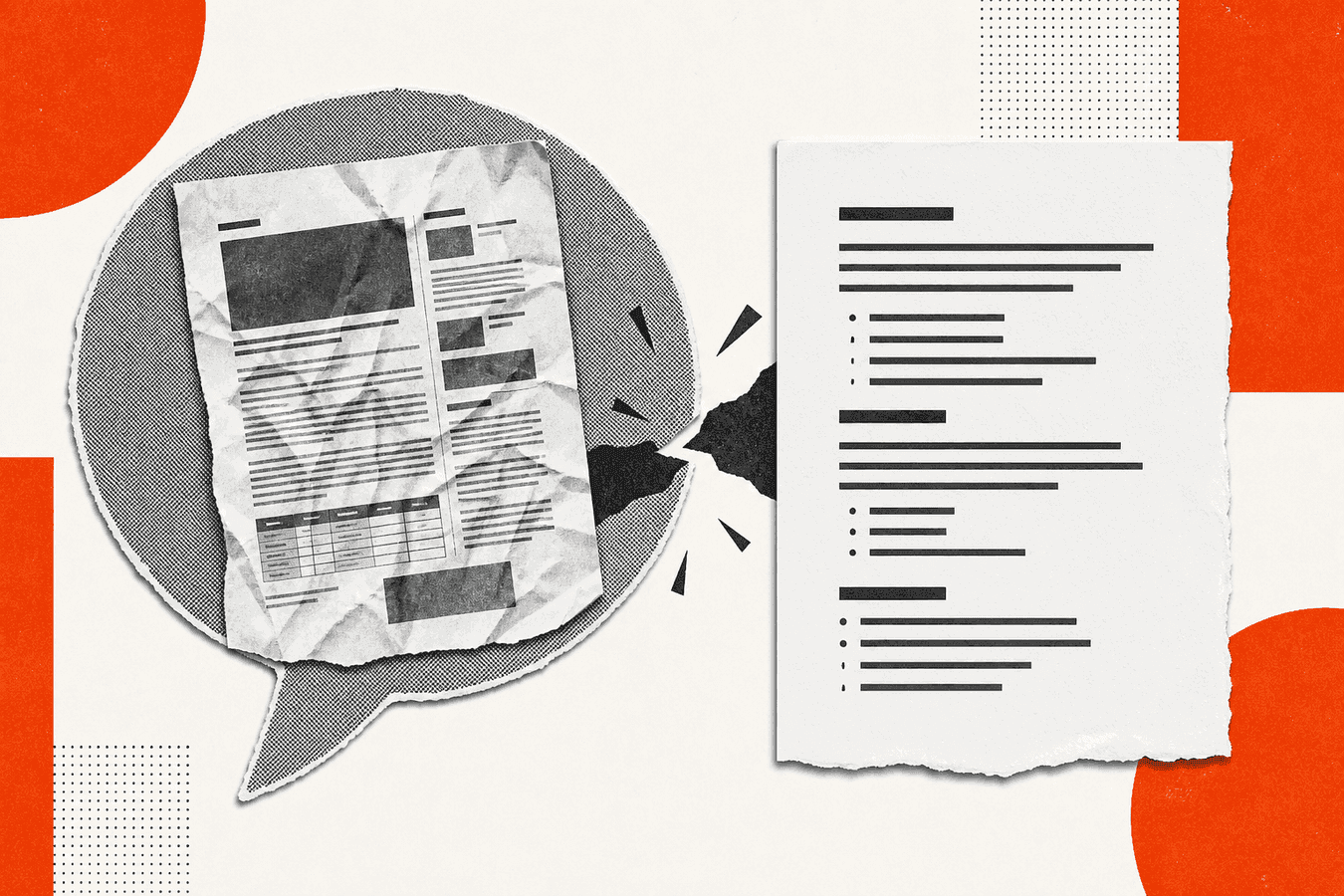
ChatGPT can read many PDFs when you upload them in a supported plan. That is the fast path: attach, ask, get an answer. Markdown-first means converting the document to structured text before the model sees it, then chunking or storing that text in your own pipeline. Neither approach wins every time. Native PDF upload wins on zero prep for a one-off question on a short report. Markdown-first wins when you reuse the same corpus across tools, control chunk boundaries, or keep a copy outside the chat vendor. This comparison stays practical about limits, not model hype.
Why people compare PDF upload and Markdown prep
Search interest clusters around "chatgpt pdf" and "upload pdf to chatgpt." Those queries mix beginners and integrators. Beginners want the attach button. Integrators already hit file caps, weird table extraction, or policy blocks on third-party chat uploads.
Markdown enters when the same content must live in Obsidian, GitHub, a RAG index, or a second model vendor next month. PDF inside one chat thread does not travel well. Markdown files do.
Read why LLMs prefer Markdown over PDF for the format argument. Read prepare documents for RAG with Markdown for ingestion order. For convert mechanics, see PDF to Markdown step by step.
What ChatGPT PDF upload gives you
OpenAI added file upload to paid tiers and expanded formats over time. Capabilities and limits change; check OpenAI's help center for current file types, size caps, and retention rules before you plan production.
The UX win is speed. You do not run a converter. You ask a question about page 12 and hope the model's PDF parser saw page 12 correctly.
When native upload is enough
Use upload for a single document, quick summary, or ad hoc Q&A before a meeting. Use it when the PDF is mostly text, under the size limit, and you do not need to archive the extracted text elsewhere.
Use it when policy allows sending that PDF to the chat vendor and you accept that the thread, not your repo, becomes the system of record.
Where upload shows cracks
Tables, footnotes, and multi-column layouts confuse parsers. Scanned PDFs without a text layer fail silently or hallucinate structure. Long corpora blow context windows or force shallow answers.
Upload also ties you to one product's file handling. Switching models later means re-upload or re-extract. Markdown on disk travels.
What Markdown-first prep changes
Markdown-first means converting once with PDF to Markdown or the convert to Markdown hub, fixing headings, then feeding chunks to any model.
You pay an upfront cleanup minute. You gain repeatable chunks, diffable text in Git, and freedom to swap LLM vendors.
Structure models can use
Headings become chunk boundaries. Lists stay lists. Code blocks stay fenced. That structure helps retrieval and citation prompts you write yourself.
You still own quality control. Open the .md and delete running headers, fix table rows, and verify numbers against the PDF.
Privacy and retention you control
Chat uploads go to the chat vendor's stack. Markdown files can stay on your laptop, in a private bucket, or in a VPC indexer. Read is it safe to upload documents online before either path.
Toolsy processes uploads for the convert response and does not operate as long-term storage. Details: what happens to files after processing.
Comparison table
| Factor | ChatGPT PDF upload | Markdown-first |
|---|---|---|
| Setup time | Minimal | Convert + cleanup |
| One-off Q&A | Strong fit | Overkill |
| RAG / multi-model reuse | Weak | Strong fit |
| Table-heavy PDFs | Often messy | Messy until you fix .md |
| Scanned PDFs | Weak | Needs OCR path first |
| Git / Obsidian storage | Awkward | Natural |
| Vendor lock-in | Higher | Lower |
ChatGPT wins the first row for casual use. Markdown wins the middle rows for systems builders.
When to upload the PDF directly
Upload when the question is ephemeral and the PDF is short. Upload when non-technical stakeholders will not run a converter. Upload when your org already approved ChatGPT file handling for that data class.
Upload when failure is cheap: if the model misreads a table, you open the PDF yourself. Do not upload when wrong numbers reach a client-facing email.
When to convert to Markdown first
Convert when you will index dozens of files. Convert when engineers own the pipeline and want tests on chunk quality. Convert when you must cite section titles reliably in generated answers.
Convert when you also use Claude, Gemini, or local models on the same corpus. One Markdown folder beats N proprietary uploads.
For hard PDFs, pair convert with Marker vs MarkItDown vs online. For suite vs single converter, see pdf2md.net vs a full document converter suite.
Hybrid workflow many teams use
A common pattern: upload for exploration on one file, Markdown for production on the winners. Analysts ask questions in chat, then ops converts the five PDFs that matter into .md for the index.
Another pattern: Markdown for internal RAG, PDF attachment for external counsel who will not touch Git. Same source PDF, two deliverables.
Document which path is authoritative. Teams fight when chat paraphrases differ from the indexed chunks.
Frequently asked questions
Can ChatGPT read PDF files?
Supported ChatGPT plans allow PDF upload within documented size and count limits. Features change; verify OpenAI's current help articles. The model reads extracted text and layout cues; quality varies with PDF complexity. Always spot-check quotes against the source PDF before you rely on them externally.
How do I upload a PDF to ChatGPT?
Use the attachment or file upload control in a supported chat session, select your PDF, and wait for processing. Queries like "upload pdf to chatgpt" reflect this path. If upload fails, check file size, encryption, and plan tier. Remove password protection locally when you are allowed to do so.
Is uploading PDF to ChatGPT free?
Free and paid tiers differ by file access and limits. Searchers ask "can you upload pdf to chat gpt for free" because limits moved over time. Check OpenAI pricing and usage docs rather than third-party blogs. Budget for paid access if PDF Q&A is daily work.
Why convert PDF to Markdown before using an LLM?
Markdown gives stable headings and lists you can chunk, store, and version. PDF bytes are built for print layout, not retrieval. Read why LLMs prefer Markdown over PDF. Conversion plus cleanup reduces duplicate headers and improves cite-able sections in RAG.
Does ChatGPT keep my uploaded PDF?
Retention rules belong to OpenAI's policy for your account type. Assume uploads are stored for some period for abuse monitoring and product function. For strict data control, convert locally or in an approved converter, then paste or index text you retain. Read vendor docs before regulated uploads.
Which is better for summarizing a long report?
For a one-time summary of a text PDF under limits, ChatGPT upload is fine. For summaries you regenerate weekly from the same corpus, Markdown chunks in your index behave better. Long scans may need OCR before either path works well.
Can I use both ChatGPT and Markdown in the same project?
Yes. Use chat upload to explore unfamiliar PDFs, then Markdown for files that graduate to production indexes. Record which version is canonical to avoid conflicting answers. Link your chunk schema in internal docs.
How do I convert PDF to Markdown for ChatGPT prompts?
Use PDF to Markdown, open the .md, trim boilerplate, then paste sections or load them via your RAG tool. For multi-format sources, use convert to Markdown. Fix tables before you prompt; models repeat OCR errors confidently.
What about scanned PDFs?
Scanned PDFs need OCR before text models help much. ChatGPT upload may OCR internally with mixed results. Markdown-first teams often OCR or convert with a layout-aware stack, then edit .md. See Marker vs MarkItDown vs online for local options.
Should my company standardize on one path?
Standardize on Markdown for indexed knowledge and allow chat upload for ad hoc analysis if policy permits. Security should approve both. Train staff on when upload is forbidden and when convert-then-index is mandatory.
For repeatable LLM work, convert once at PDF to Markdown. For a single quick question on a short PDF, ChatGPT upload remains the low-friction choice when policy allows it.
Convert a PDF to Markdown
Turn a PDF into Markdown before you paste or index it for LLM workflows.