Guides
Free QR generator without account: what to check
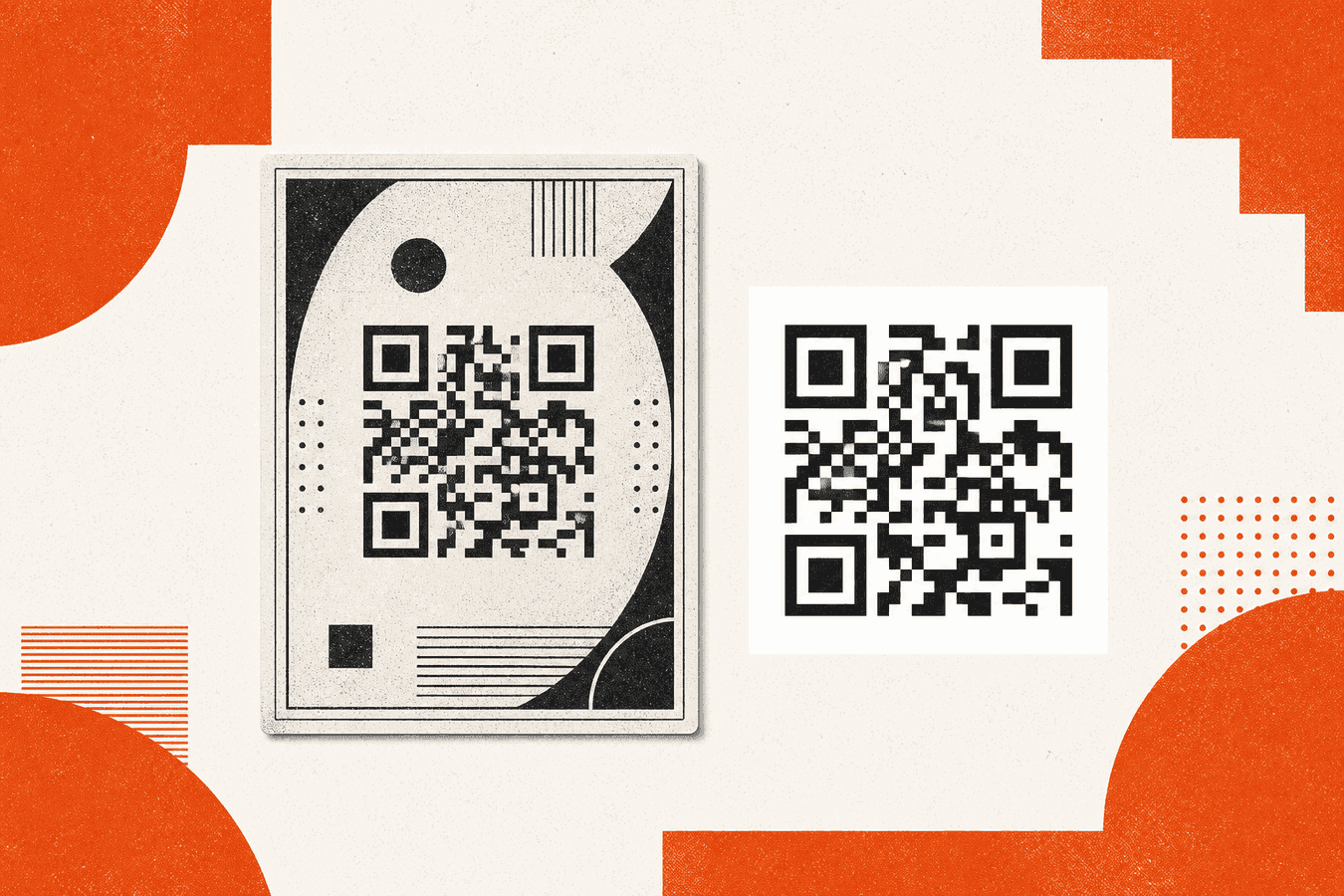
A free QR code generator with no signup should let you paste a link, download a clean PNG or SVG, and leave without creating an account. Many pages claim “free,” then block the download, stamp a watermark, or wrap your URL in a tracking redirect. Before you print flyers or menus, check four things: whether signup is required to download, whether the file is clean, whether the code points straight at your URL, and whether generation stays in the browser or uploads the paste. On Toolsy, the free static QR code generator needs no account and draws the image on your device. Dynamic QR with editable destinations and scan counts is a separate Pro product.
Why people search for a free QR code generator with no signup
You need a code for a menu, a poster, a guest Wi‑Fi card, or a one-off event. You open a “free” generator, make the square, then hit a wall: create an account, verify an email, or accept a branded stamp on every print. That friction is why searches like “free qr code generator no signup” and “qr code generator no login” stay busy in the US.
The job is small. You want a file you can drop into Canva, Word, or a print shop PDF. An account makes sense for teams that manage dozens of editable codes. For a single static link, an account is overhead you did not ask for.
Free tools fund themselves somehow. Ads, upsells to dynamic plans, watermarked exports, and gated downloads are common patterns. None of those prove the tool is bad. They do prove that “free” on the homepage is not the same as “download without friction.”
This guide is a checklist for that gap. It does not rank every brand. It tells you what to inspect, how Toolsy’s free static path works, and when Pro dynamic QR is a different product with a different price.
Signup traps that show up after you make the code
The first trap is timing. The page lets you type a URL and preview a QR. The gate appears only when you click Download. If signup starts after the preview, treat the preview as marketing, not as proof the export is free.
Account walls before download
Watch for modals that demand Google login, email signup, or a “workspace” before PNG or SVG unlocks. Some sites allow one low-resolution export without an account, then require signup for print size. If you need a poster, that soft limit is a hard limit.
Test the flow once with a harmless URL. If the site asks for an account before any file leaves the page, move on when your job is a one-off static code. Keep the account path for tools you will use weekly and for features that need a dashboard.
On Toolsy’s free static generator, you paste the link, create the code, and download PNG or SVG with no account. Favorites and paid plans still exist elsewhere on the site. They are not required for a basic static QR.
Email gates and “verify to unlock”
Email gates look softer than full accounts. You type a work address, wait for a code, then download. That still creates a marketing relationship and a stored identity. For a public event URL, the cost may feel small. For a private staging link or an internal doc, you now told a third party that the link exists and who asked for it.
Skip “verify to unlock SVG” prompts when a competitor draws the file in-browser without email. Prefer tools that state the download path in plain language on the product page, not only in a FAQ buried after signup.
Watermarks and brand stamps on “free” downloads
A watermark is a second trap. The download succeeds, but the PNG carries a logo strip, a URL banner, or a semi-transparent brand mark across the quiet zone. Phones may still scan the code. Your print looks like an ad for the generator.
How to spot a watermark before print
Open the file at 100% zoom. Look at the four edges and the white margin around the modules. Brand text, tiny URLs, and colored bars are common. Print one sheet on plain paper and scan with a second phone before you order a run of stickers.
SVG exports deserve the same check. Open the SVG in a browser or design tool and confirm no extra <text> or logo group sits outside the QR matrix. Some free tools ship a clean preview and a stamped download.
Quiet margin and forced logos
QR codes need a quiet white margin so cameras can find the square. Forced logos in that margin hurt scanning and look unprofessional on menus. Center logos inside the code are a design choice with their own contrast risks; that topic belongs with logo-reliability guides. For a no-signup free download, the baseline is a clean matrix with no third-party stamp.
If a site only removes the watermark after you upgrade, the free tier is a trial of the marketing surface, not a print-ready asset. Decide whether the paid plan matches a job you have (editable links, analytics) or whether you only needed a static PNG once.
Tracking and redirects you did not ask for
A static QR encodes your URL in the image. When someone scans, the phone opens that URL. No generator dashboard sees the scan unless the destination itself runs analytics.
Dynamic and “free tracking” generators often encode a short redirect on their domain. Your printed square points at their server first. They count the hit, then send the phone to your page. That can be useful for campaigns. It is not the same product as a free static code with no account.
Before you print, scan the code yourself and read the address bar. If you pasted https://example.com/menu and the phone first opens a third-party short link, you accepted tracking infrastructure. On Toolsy, free static codes keep your URL in the image. Editable short links and scan counts live on Dynamic QR under Pro.
Do not mix the two in your head. “Free QR with stats” usually means a redirect product. “Free QR with no signup” usually means a static image. Ask which one you need before you compare prices.
Privacy checks when the QR holds a private link
Not every URL is a public menu. Staging sites, signed document links, and internal dashboards leak context if a generator uploads the paste or stores it in an account history.
Client-side drawing vs server generation
Client-side tools build the QR in your browser from the text you typed. The paste does not need to leave the device for the picture to appear. Server generators send the URL to a backend, render the image, and return a file. That path can be fine for public links. It raises retention questions for private ones.
Toolsy’s Privacy Policy states that many text and QR utilities process content in your browser and do not upload the paste. The free QR generator FAQ matches that claim: the picture is drawn in your browser and the link is not stored. For a deeper upload checklist on server-side tools, see Is it safe to upload documents to online converters? and What happens to files after processing.
What to read on any generator’s privacy page
Look for whether URLs are logged, how long previews stay, and whether marketing pixels fire on the create page. A padlock in the address bar only encrypts transit. It does not define retention.
If the tool needs an account for “history,” assume past URLs sit in that history until you delete them. For one private link, prefer a no-account, client-side static generator, then clear the field when you finish.
Searches like “offline qr code generator” point at the same worry: people want the job done without shipping the string to a random host. Browser-side drawing is the practical answer for most static codes.
Static free QR versus Pro dynamic QR
Static free QR is enough when the destination will not change. Print a menu PDF URL, a registration form, or a product page. If that URL is wrong later, you reprint.
Dynamic QR encodes a short redirect you control. You change the destination in an account without reprinting the poster. Toolsy includes scan counts on that product. Dynamic QR is Pro. The free static generator stays free when you use dynamic codes for other jobs.
Use Pro dynamic when print lasts longer than the page behind it: seasonal menus, window stickers, and promo landings you will swap. Use free static when the link is stable and you do not need a scan counter from the QR host.
Do not expect a no-signup free tool to give you editable redirects and analytics. Those features need identity, storage, and a redirect service. Honest pricing beats a “100% free forever” banner that quietly expires codes or stamps ads into the redirect interstitial.
Checklist: create and test a no-account QR on Toolsy
Open the QR code generator. Paste the full URL with https://. Create the code. Download PNG for screens and chats, or SVG for large print.
Confirm you never hit a login wall for that download. Open the file, check the quiet margin, and scan with your phone before you send art to a printer. Fix typos in the URL first; a static code will not forgive a wrong path after print.
If the destination may change next month, stop and open Dynamic QR instead of printing a static square you will throw away. If guests need Wi‑Fi without typing a password, use the free Wi‑Fi QR tool; the password stays on your device while the code is drawn.
For photos of printed sheets you will share online, strip location metadata when the photo leaves your phone. Remove EXIF GPS before sharing photos covers that step.
Related tools when the job is Wi‑Fi or contacts
A generic URL generator is the wrong form for Wi‑Fi. Guests need a WIFI: payload with network name, security type, and password. Use Wi‑Fi QR so phones offer a join prompt instead of opening a web page.
Contact cards belong on a vCard QR. Email and SMS QR tools build mailto: and sms: payloads for support lines. Those special formats stay free and work without an account on Toolsy, same honesty rule as the static link generator.
Keep dynamic QR for campaigns that need edits and counts. Keep the free static path for stable public URLs you can print once and forget.
If you are comparing generators this week, run the checklist: signup, watermark, redirect, privacy. Then pick the product that matches the job, not the loudest “free” label.
Frequently asked questions
Is there a free QR code generator with no signup?
Yes. Several tools, including Toolsy’s static QR code generator, let you create and download a code without creating an account. Confirm the download works before you design a print layout around the preview. If signup appears only at download time, that page failed the no-signup test for your job.
Do I need an account to download a QR code?
You should not need an account for a basic static PNG or SVG on a tool that markets free no-signup generation. Accounts make sense for saved history, team seats, and dynamic redirects. If a site blocks SVG or print resolution behind login, treat that as a paid or freemium limit, not as a free download.
What is the difference between a free static QR and a dynamic QR?
A static QR stores the destination inside the image. Change the page later and you reprint. A dynamic QR points at a short redirect you can edit after print, often with scan counts. On Toolsy, static generation is free with no account; Dynamic QR is Pro.
Will a free QR code generator add a watermark?
Some free tiers stamp a logo or URL on the export. Open the file at full size and check the quiet margin before you print. Prefer generators that ship a clean matrix on the free static path. Watermark removal behind a paywall is a design tax, not proof the paid plan fits your needs.
Does a free QR code track scans?
A true static QR that encodes your URL does not report scans to the generator. Tracking usually means the code opens a third-party redirect first. Scan your own code and read the first URL that loads. If you need counts on Toolsy, that is the Pro dynamic product, not the free static download.
Is a QR code generator safe for private URLs?
Safety depends on whether the paste uploads, whether URLs are logged, and whether you create an account history. Prefer client-side generators for private or staging links, and read the Privacy Policy. For broader upload questions on server tools, see the online converter safety checklist.
Can I create a QR code without registration?
Yes, when the tool draws a static code in the browser and unlocks download without email verification. “Without registration” and “no signup” describe the same test: finish with a file and no new identity. Skip pages that force a workspace signup for a single public menu link.
Does Toolsy need a login for the free QR generator?
No. The free static generator does not require an account to create or download PNG or SVG. The image is drawn in your browser and the link is not stored for that tool. Login matters for account features and for Pro dynamic QR, not for a one-off static code.
When should I pay for dynamic QR instead of using a free static code?
Pay when you will change the destination after print or when you need scan counts from the QR host. Menus, window stickers, and promo posters fit that pattern. If the URL is stable and you do not need those extras, free static is enough and keeps the no-signup path.
Can I make a Wi‑Fi QR without an account?
Yes. Toolsy’s Wi‑Fi QR tool builds the code on your device with no account required for the free path. Enter the network name and password, download PNG or SVG, and share the print only with people you trust. Anyone who scans can join that network the same way they could if you read the password aloud.
For campaign edits and scan counts, use Dynamic QR on Pro. For a clean static link with no account, stay on the QR code generator.
Free QR code generator
Paste a link, download PNG or SVG on your device. No account for static codes. Dynamic QR with editable links is Pro.