Tech
MarkItDown CLI vs browser converter: which delivery fits your team?
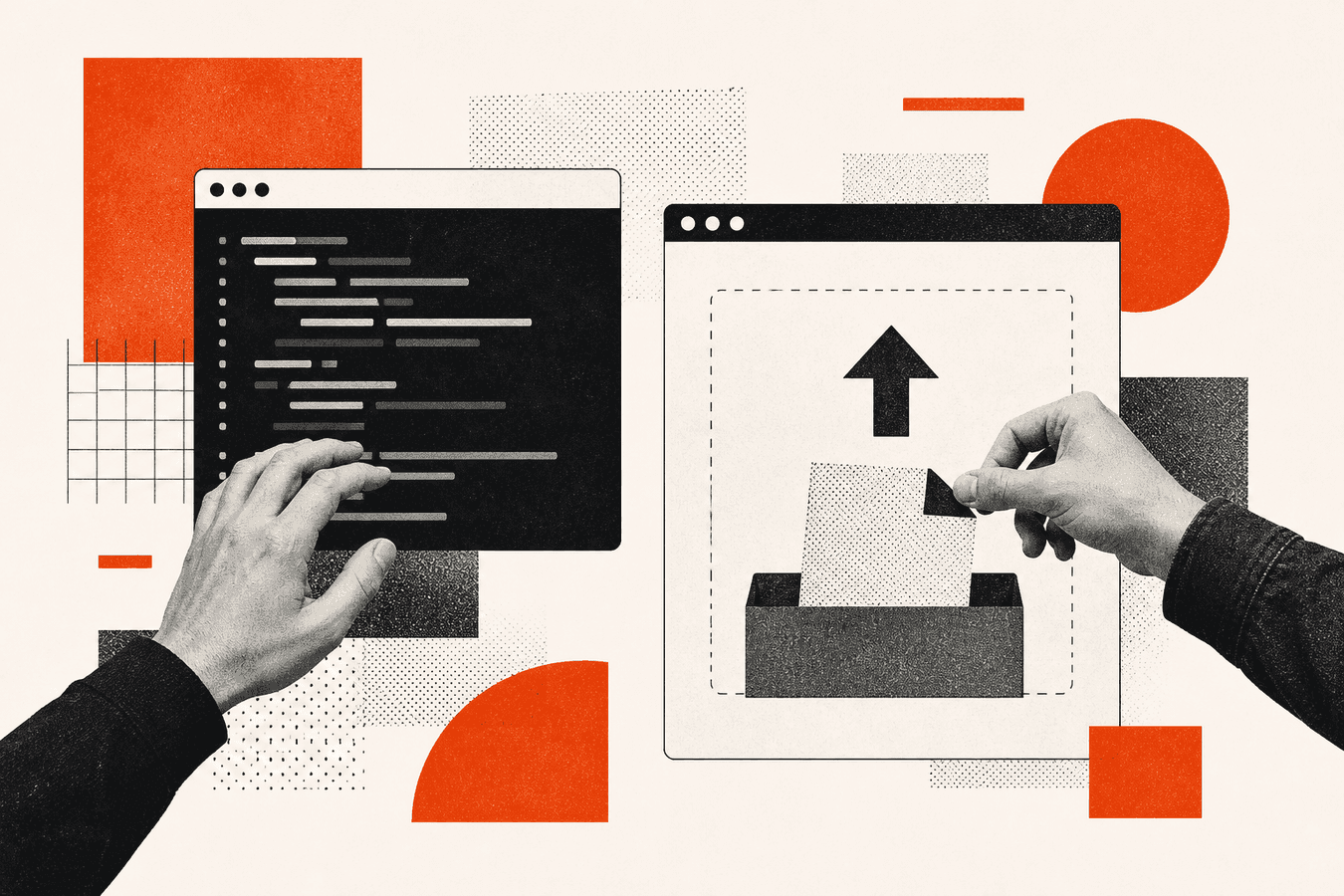
Microsoft MarkItDown turns Office files, PDFs, HTML, and more into Markdown through a Python library and CLI. “Markitdown online” searches want the same output without installing Python: upload, download .md. Both paths share a conversion philosophy; they differ on setup cost, batch shape, and where bytes live during processing. The CLI wins when you automate folders, pin versions, and keep documents off third-party servers. The browser wins when you need one clean Markdown file now on a locked laptop. Toolsy offers browser conversion in the MarkItDown workflow family; it is not the microsoft/markitdown GitHub repository. This comparison helps teams pick delivery, not re-litigate Markdown versus PDF for models.
Why teams debate CLI vs browser for MarkItDown
MarkItDown search volume spikes after Microsoft releases and AI blog posts. Developers install the package; analysts search “markitdown online” because IT blocked pip. Same brand, two delivery shapes.
Teams feel the tension in standup. Engineering wants a Dockerfile and nightly cron. Operations wants a URL to paste a vendor PDF before a call. Security wants VPC-only processing. Everyone assumes one answer should satisfy all three.
The wrong delivery wastes a sprint. You containerize MarkItDown for three handouts a month. Or you upload a thousand-page manual to a free quota and hit caps mid-batch. Match volume, privacy, and install rights first.
Background: what is MarkItDown. Three-way tool comparison: Marker vs MarkItDown vs online converters. RAG context: CloudConvert vs Markdown pipeline for RAG.
MarkItDown CLI and library: what you get
MarkItDown from Microsoft is open source. You install via pip, invoke CLI or Python API, and write .md to disk. Supported inputs include PDF, DOCX, PPTX, XLSX, HTML, EPUB, and images depending on extras you enable.
CLI fit is automation: CI jobs, cron on a NAS, laptop batch before a flight. You pin markitdown in requirements.txt so April’s convert matches October’s regression set. Files never leave your network if the machine stays local.
Costs are real. Python version drift, dependency updates, and disk for temp files land on your team. First-time setup on Windows without dev tools frustrates non-engineers. Budget ops time, not only the first successful convert.
Install and batch workflow
Typical install: virtual environment, pip install markitdown, run against a file path. Batch means shell loop or Python driver over a directory. Logs and exit codes become your monitoring.
MarkItDown output is a draft. Open the .md, fix heading levels, verify tables. Scanned PDFs fail more often than digital exports unless you add OCR upstream.
Exact commands change between releases. Copy flags from the current GitHub README, not from memory. “Markitdown install” and “markitdown how to use” queries point here.
When the CLI is the team default
Standardize on CLI when privacy bans upload, when you convert dozens of files nightly, or when the same MarkItDown version must run in CI and on analyst laptops via script.
Also choose CLI when you already run Python data pipelines. Adding MarkItDown as a step is cheaper than introducing a SaaS vendor review.
Pair with Marker for hard PDFs if MarkItDown quality fails on scans; see Marker vs MarkItDown vs online rather than forcing one engine on every file.
Browser converter: MarkItDown workflow without pip
“Markitdown online” and “pdf to markdown online” describe delivery, not a second Microsoft product. Browser tools wrap convert behind upload. On Toolsy, PDF to Markdown handles PDFs; Convert to Markdown accepts multiple formats from one hub.
Free tier: daily file quota and about 5 MB per file. Pro raises limits. Uploads are processed for the response and designed to be discarded after.
Browser fit is urgency and access. One board PDF before a meeting. A DOCX export for Obsidian tonight. A trial before you ask IT for Python.
Upload, download, spot-check
Flow: choose tool, upload, wait, download .md. Prefer text PDFs under the size cap. Remove passwords you can unlock yourself.
After download, scan heading hierarchy. Promote the document title to # and sections to ##. Models chunk better after that pass.
For tables and figures, read PDF to Markdown with tables and images before you trust bulk output.
Quotas and when the browser fails
Daily quotas block large one-day migrations. Split work across days, upgrade to Pro, or switch to CLI for the bulk pass.
Files over the size cap need split PDF, local compress, or desktop export to lighter format first. Browser tools are not unlimited ingest pipes.
CLI vs browser: comparison table
| Need | MarkItDown CLI / library | Browser converter (Toolsy) |
|---|---|---|
| No Python on machine | No | Yes |
| Nightly folder batch | Strong | Weak (quotas) |
| Files must stay on network | Strong | Only if policy allows upload |
| One urgent file | Overkill setup | Strong |
| Pin version in CI | Yes | Product updates server-side |
| Non-engineer self-serve | Weak | Strong |
| API automation | Your wrapper | Toolsy API docs separate |
Neither column wins every row. Hybrid teams CLI the corpus monthly and browser one-offs daily.
Team roles: who should use which path
Engineering and data platform own CLI installs, Docker images, and MarkItDown version pins. They integrate with PDF to Markdown API for developers when SaaS is approved.
Analysts, PMs, and legal ops often prefer browser upload with a checklist from PDF to Markdown step by step.
Security reviews CLI favorably for confidential docs when machines are managed. Browser upload requires checking retention policy on Toolsy or any vendor.
Document the chosen path in a one-page runbook. Ambiguity sends everyone to random online converters with no retention language.
Bridging CLI and browser in one org
Allowed pattern: CLI for HR and finance folders; browser for public marketing PDFs. Same MarkItDown family on Toolsy reduces surprise versus unrelated convert sites.
Another pattern: browser trial on three files, then CLI rollout after quality sign-off. pdf2md.net vs full document converter suite helps when evaluators compare Markdown-only startups to suites.
Do not run duplicate converts on the same file through both paths without diffing output. Pick one engine per doc type after eval.
Privacy and compliance
CLI keeps bytes on infrastructure you control if the process never uploads. Browser convert sends files to Toolsy servers for processing. Read is it safe to upload documents online before you classify uploads.
Microsoft’s repo license differs from Toolsy’s hosted service terms. Compliance questions about “MarkItDown” should name which delivery you mean.
Regulated batches often land on CLI or VPC-hosted API even when browser is fine for public docs.
Frequently asked questions
What is MarkItDown online?
It is browser delivery of document-to-Markdown conversion without installing Microsoft’s Python package locally. Toolsy Convert to Markdown and PDF to Markdown provide that shape for supported files. It is not a separate Microsoft-hosted product named MarkItDown Online.
Is MarkItDown the same as Toolsy?
No. MarkItDown is Microsoft’s open-source library and CLI at github.com/microsoft/markitdown. Toolsy is an independent hosted toolkit that includes online conversion in that workflow family plus PDF, OCR, and QR tools. Pin the Microsoft package when you self-host; use Toolsy when you want upload-and-download without pip.
Should my team install MarkItDown or use a browser tool?
Install when you batch convert, need pinned versions, or cannot upload files. Use the browser when volume is low, Python is blocked, or you need a quick trial. Many teams use both for different data classes.
How do I use MarkItDown from the command line?
Create a Python environment, install the package from PyPI per Microsoft’s README, and run the CLI against input paths. Output is Markdown text you should spot-check. Exact command names vary by release; follow current docs rather than copied snippets.
Can MarkItDown convert PDF to Markdown online for free?
Toolsy offers free PDF to Markdown with a daily quota and file size cap; Pro raises limits. Microsoft’s CLI is free software but requires your own compute. “Free” does not mean unlimited volume on hosted browser tools.
Does MarkItDown require Microsoft 365?
The open-source MarkItDown project does not require a Microsoft 365 subscription to run locally. Some tutorials mention Microsoft tooling in broader AI stacks; the converter itself is a Python package. Browser tools may require only a web browser.
What is the difference between MarkItDown CLI and MarkItDown MCP?
CLI is command-line convert on your machine. MCP refers to Model Context Protocol integrations that expose MarkItDown to AI agents in editors like VS Code or Cursor. MCP is automation glue, not a replacement for choosing CLI versus browser for human uploads.
When is pdf to markdown online not enough?
Large files over size caps, strict no-upload policy, or scan-heavy PDFs that need OCR or Marker-style layout recovery push you off simple online convert. Split files, go local CLI, or use dedicated OCR first.
Can developers automate browser MarkItDown without CLI?
Toolsy documents API usage in PDF to Markdown API for developers. That is the supported automation path when CLI is not approved but SaaS is. Compare quota and retention to self-hosted MarkItDown.
How does MarkItDown compare to CloudConvert for our team?
CloudConvert covers broad format pairs including media; MarkItDown targets Markdown text for documents. For RAG text corpora, MarkItDown delivery usually beats generic convert. For mixed media ETL, CloudConvert may stay primary. See CloudConvert vs Markdown pipeline for RAG.
For suite-level comparisons, read pdf2md.net vs a full document converter suite and ChatGPT PDF upload vs Markdown-first.
Convert a PDF to Markdown
Upload a PDF, download Markdown with headings when the source allows. Up to 5 MB free. Processed for the response, then dropped.